The Warmth of the Hearth: The History and Modern Revival of the Chinese Kang Table
There is a quiet, grounded beauty in furniture that was built to be lived around, rather than just looked at. At Rouge, our curated collection of antique Chinese furniture is filled with such pieces, but few carry the warmth, history, and communal spirit quite like the Kang table.
With their low-slung profiles, sturdy proportions, and often elegantly curved "horse-hoof" legs, these tables have transcended their regional, ancient origins to become some of the most versatile and characterful statement pieces in modern British interiors.
The Heart of the Northern Home: What is a Kang?
To understand the table, one must first understand the Kang.
In the bitterly cold, windswept provinces of Northern China during the Ming and Qing dynasties, daily life during the winter didn't happen across multiple drafty rooms. It revolved entirely around a single architectural feature: the Kang.
A Kang was a massive, raised platform constructed of brick, clay, or stone that occupied up to half of a living room or bedroom. It was hollow underneath and connected directly to the home's kitchen stove. When a fire was lit for cooking, the hot exhaust flues snaked beneath the platform, heating the heavy brick mass. It stayed warm all night long, serving as a radiant thermal hub where families slept, socialised, worked, and ate.
Because the family sat cross-legged or knelt directly on this warm platform, standard-height furniture was completely impractical. Cabinetmakers scaled down traditional designs to create miniature, low-profile furniture specifically for the platform. The centerpiece of this setup was the Kang table.
Watch a video overview here.

Craftsmanship Born from Necessity
Originally, a small Kang table would be placed between two people on the platform to serve tea, hold books, or host a game of go. Larger versions were brought out when the entire family gathered for a meal.
Because they were subject to constant use and the shifting temperatures of a heated platform, these tables had to be incredibly stable. They were built using traditional Chinese mortise-and-tenon joinery, completely avoiding nails or glue, allowing the timber to naturally expand and contract without warping.
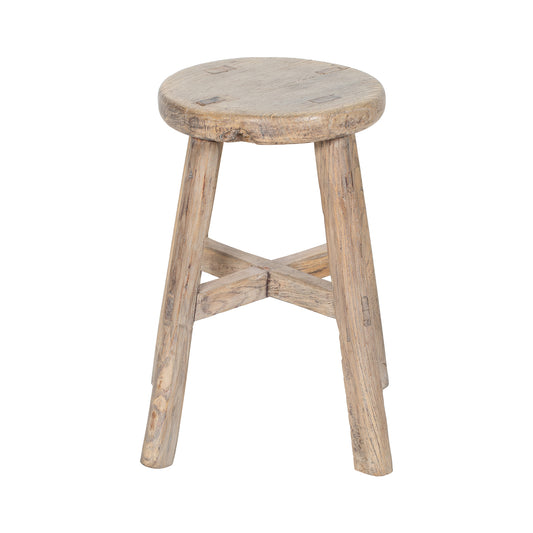
- The Materials: Most everyday regional pieces were crafted from dense, resilient indigenous hardwoods and softwoods. Northern Elm (yúmù), with its striking, prominent grain patterns, was incredibly common, alongside cypress, walnut, and pine. Wealthier imperial households, by contrast, commissioned pieces made from rare tropical imports like huanghuali (rosewood).
- The Finishes: To protect the timber from spilled tea and hot food bowls, the wood was often treated with multiple layers of natural tree lacquer. Over the decades, this lacquer wears down, creating a beautiful, soft patina that reveals the history of the timber beneath.
| Feature | The Kang Table (炕桌) | The Low Tea Table (矮茶几) |
| Original Setting | Used exclusively on the raised, heated Kang platform in Northern China. | Used in both Northern and Southern provinces, often placed directly on floor mats or low platforms. |
| Design & Legs | Built with robust, thick frames and short, sturdy legs, most famously featuring inward-curving "horse-hoof" legs to prevent digging into the woven mats covering the brick platform. | Typically features a lighter, more delicate silhouette. Legs may be straight, slender, or ornately turned, as they didn't need to support heavy communal dining loads. |
| Proportions | Generally deeper and more square to accommodate communal food platters, multiple tea bowls, or board games between two people. | Often narrower and elongated, specifically proportioned to hold a tea tray (chápán), a water kettle, and a few choice cups. |
| The Feel | Rustic and communal. Built to handle the heavy wear and tear of daily family life, sleeping, and dining. | Scholarly and contemplative. Often found in private studies, courtyards, or tea rooms meant for quiet conversation and hospitality. |
The Perfect Low Profile for Today’s Living
While the heated brick platforms of old may be a world away, the dimensions of a vintage Kang table make it an absolute gift for contemporary home layouts.
When we source and restore these pieces for our shop in London. We treat them not as static museum artifacts, but as functional furniture ready for a second lease of life. Their lower height and robust tops make them incredibly adaptable:
- The Ideal Coffee Table: Finding a vintage coffee table with the right proportions can be a challenge. Kang tables sit perfectly alongside low-profile modern sofas. They offer plenty of surface area for books and mugs while keeping sightlines across the room open and airy.
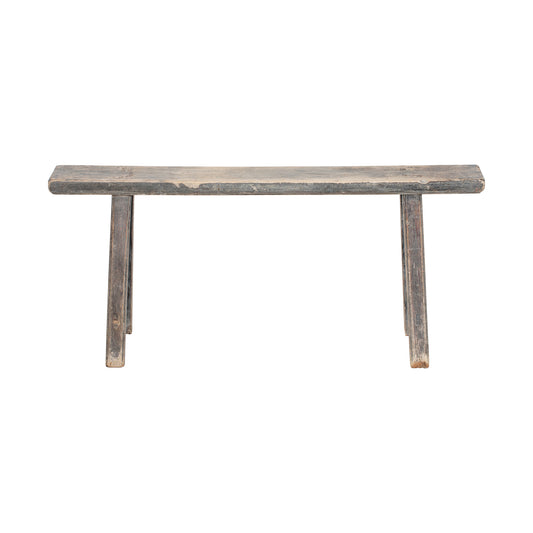
- The Low-Line Media Unit: Shorter, longer Kang tables are the perfect height to sit beneath a wall-mounted television, elegantly housing media boxes while adding organic texture to a digital space.
- An Elegant Tea Table: Placed on a thick rug or surrounded by floor cushions, a Kang table returns to its ancestral roots. It creates an intimate, grounded "tea corner" or a space for meditation, reading, and slowing down.
- A Characterful Bedside Table: Smaller, square variants make wonderful nightstands next to low-frame platform beds, bringing a rustic, wabi-sabi charm to the bedroom.
Bringing a Grounded History Home
Every nick, scratch, and worn patch of lacquer on our restored Kang tables tells a story of families gathering for warmth, sharing food, and pausing for a bowl of tea. They bring a sense of history, grounding, and quiet architectural depth to our homes.
Explore our current collection of unique, hand-restored Chinese Kang tables and low tea tables online, or visit us at our Stoke Newington high street shop to find the perfect anchor piece for your living space.